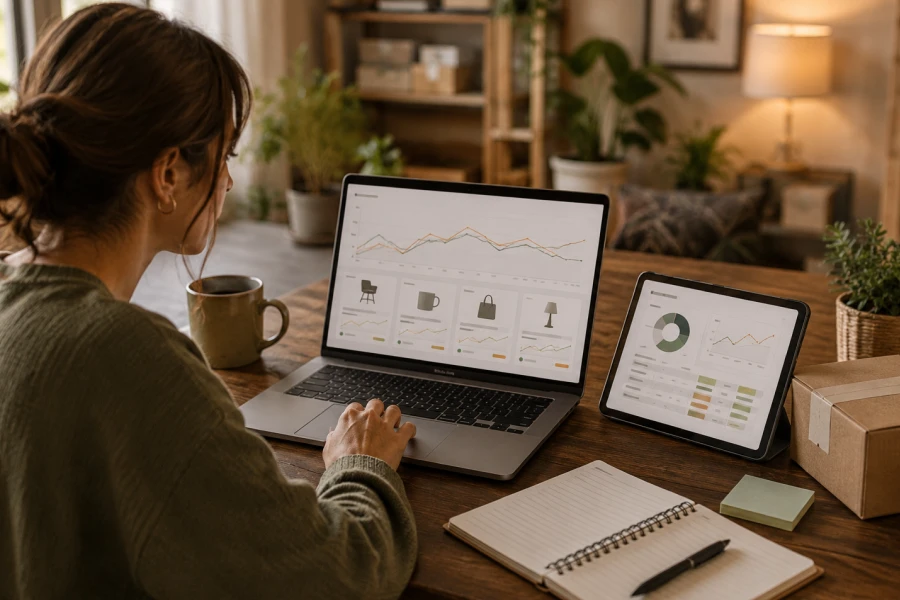
Ecommerce markets can change while sellers are busy with daily operations. A competitor lowers a price, launches a promo, or shifts positioning. Competitor price monitoring with ai helps reveal those changes sooner. It gives sellers a clearer view of market pressure. It also reduces the need for constant manual checking. Better monitoring supports better planning. Sellers can protect margins before pressure becomes obvious. They can also avoid late, rushed reactions. Early awareness creates practical advantage. It turns pricing from guesswork into an informed routine.
Small teams often manage too many tasks. Pricing review competes with customer service, fulfillment, and marketing. Manual tracking quickly becomes inconsistent. Important changes can be missed. A reliable competitor price analysis process helps reduce that burden. It gives teams more consistent visibility. It also keeps discussions focused on meaningful changes. People still make the decisions. The system simply improves awareness. That support can be valuable for lean operations.
Not every competitor deserves attention. Some stores serve different customers. Others compete only on price. Some have weaker products or slower delivery. Tracking irrelevant sellers creates noise. Better monitoring starts with careful selection. Choose competitors that customers actually compare. Watch their pricing, promotions, and availability. Review this list regularly. A cleaner competitor set produces better pricing insight.
Guesswork leads to uneven pricing decisions. One week may feel urgent. Another may feel calm. Without data, both feelings can mislead. A pricing intelligence dashboard can make changes easier to interpret. It helps sellers compare timing and frequency. It also supports clearer internal conversations. Decisions become easier to explain. Teams can review evidence before changing prices. That reduces confusion and protects consistency.
Market pressure only matters when connected to goals. A seller may want margin stability. Another may want faster inventory movement. A third may prioritize customer acquisition. Each goal changes the pricing response. The cheapest move is not always best. Sometimes holding price protects brand value. Sometimes a small promotion creates momentum. Goals turn data into action. Without goals, monitoring becomes another source of stress.
Pricing rules prevent rushed choices. They help sellers decide in advance. A useful automated price monitoring setup can support those rules. It can flag meaningful changes. It can also help define review thresholds. Sellers may set different rules for bestsellers, seasonal items, or low-margin products. That structure keeps decisions consistent. It also reduces emotional reactions. Better rules make pricing easier to manage over time.
Monitoring becomes stronger when sellers learn from it. Track what happened after each decision. Note whether sales improved. Check whether margin held. Watch how competitors responded. Review results after promotions. Keep simple notes on patterns. These lessons help refine future rules. They also build pricing confidence. Over time, the system becomes more useful because your judgment improves with it.




Leave a comment